 Belgium
  Canada
  China
China  Germany
  Denmark
  Spain
Spain  France
  United Kingdom
  Croatia
  Ireland
  Italy
Italy  Japan
Japan  Korea
Korea  Netherlands
  Poland
  Romania
  Serbia
  Russian Federation
  Sweden
  Thailand
  United States
  Vietnam
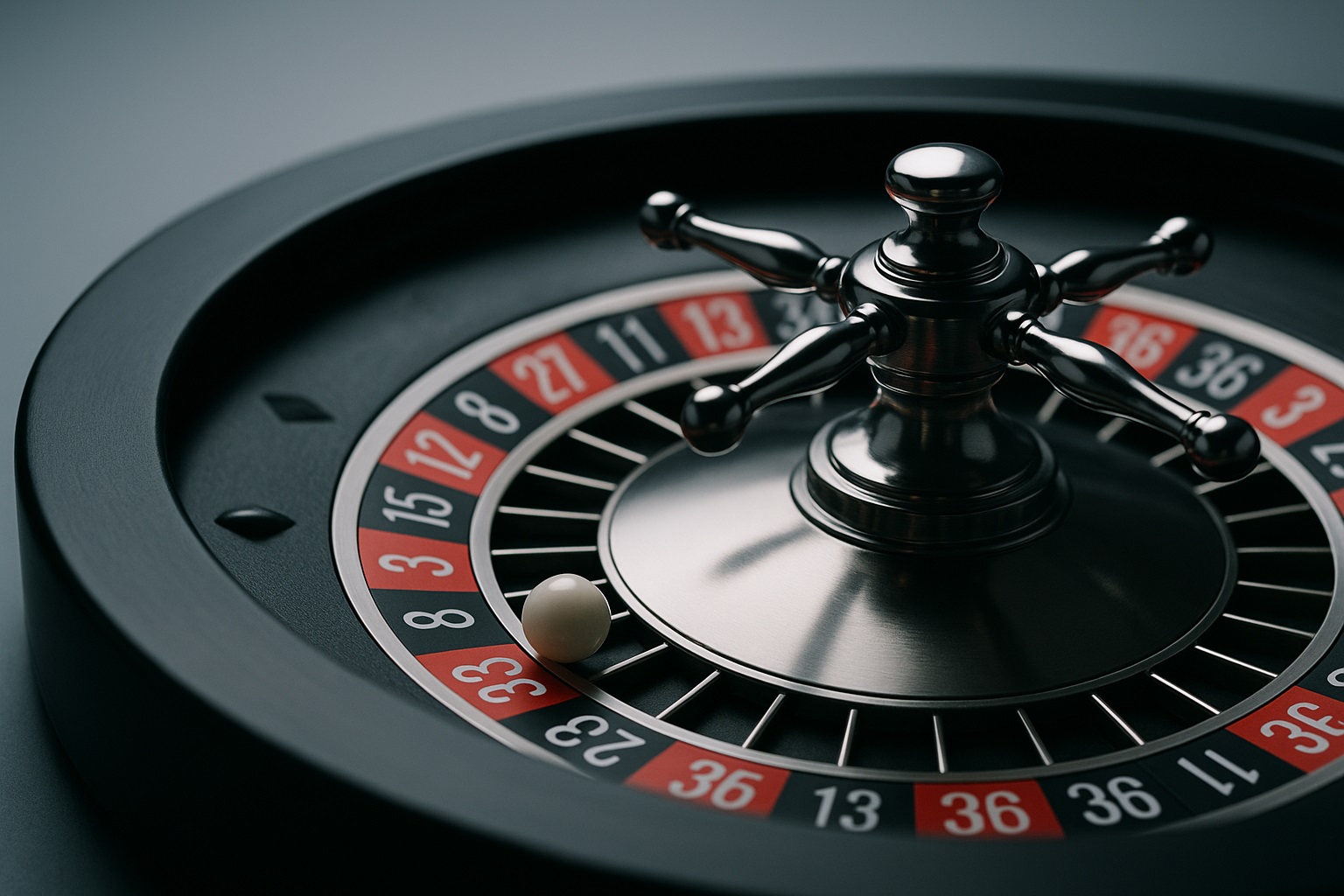

Long poker sessions are won in the margins. Not just hand selection and tilt control, but what you do between hands, between levels and after a deep run ends. Break time can reset your brain or quietly drain your focus, especially if you fill it with something that spikes emotion or encourages chasing.
Some players like to switch off completely with a walk or food. Others prefer low-effort entertainment that keeps the mind occupied without pulling them into a second competitive loop. Casino side games often sit in that space, but not all formats behave the same. If you are curious about what is available and how different titles play, best online australian pokies is one way to scan options before you start tapping through random games mid-series.
Pick a break game like you pick a table
In poker, you do not sit wherever. You choose the spot that fits your goal: soft lineups, low stress, predictable pace. Side games deserve the same mindset, especially during a tournament series or a long online grind.
A good break game should be:
• short-session friendly so you can stop cleanly when the next level starts
• low cognitive load so it does not compete with poker decision making
• emotionally calm so you are not carrying frustration back to the tables
• easy to control with obvious stake and time boundaries
A bad break game is anything that makes you feel like you need to win back time or money before you return to poker. If you notice that pull, it is not a break anymore.
The main side game types and how they feel in practice
Poker players often lump casino games together, but the experience differs a lot depending on the format. Here is how the common options typically play from a poker break perspective.
Pokies
Pokies are fast, visually engaging and easy to run in a tight window. They are also high variance by nature, which can be fine if you treat them as pure entertainment and keep stakes modest.
Why they work for breaks:
• quick start and quick stop
• no strategy pressure
• simple controls on mobile
Where they can bite:
• rapid cycles can stretch a five minute break into twenty
• near misses can feel like signals when they are not
• raising stakes can happen almost automatically
Table games
Blackjack and roulette feel more structured which appeals to poker brains. The danger is that structure can create a false sense of control. These games are still designed with house edge built in.
Why they work for breaks:
• pace can be slower
• rules are familiar
• rounds feel contained
Where they can bite:
• decision making can keep your brain switched on
• doubling patterns can become a habit
• it is easy to keep clicking one more hand
Live dealer
Live tables can feel social and grounded, but they are rarely ideal as a quick reset. Load times, table flow and the chat element can turn a break into a mini-session of its own.
Why they work for breaks:
• slower tempo
• more natural stopping points
Where they can bite:
• harder to exit cleanly at a set time
• can pull attention when you should be recovering
A simple comparison checklist that suits poker players
If you are choosing a side game during a series, use the same kind of filter you would use when picking a tournament to late reg. The goal is not to find the most exciting option, it is to find the option that fits your purpose.
Run through this checklist before you start:
1. Time boundary: How long is this break, five minutes, fifteen, one hour. Pick a game that fits that window.
2. Stake ceiling: Decide a max bet before you start. Do not adjust it mid-break.
3. Stop rule: Choose a clean ending condition, timer ends, set number of spins, one shoe, one bonus trigger.
4. Mood check: If you are already annoyed, tired or euphoric after a big pot, skip side games entirely. Your decision making will be messy.
5. Reset value: Ask one question: will this make me calmer for poker, or more switched on and reactive.
A lot of players learn this the hard way. If you come back to poker feeling rushed or wired, your break did not do its job.
Break routines that protect your edge
The best grinders treat breaks as part of performance. They do not wing it. You can keep it simple, but you should keep it consistent.
Here are a few routines that work well with or without casino side games:
• Two minute reset first. Stand up, stretch, drink water, breathe. Then decide whether to open anything on your phone.
• One activity only. If you start with a side game, do not stack it with social scrolling and highlights and messages. One lane keeps your head quiet.
• Use friction on purpose. Set a timer. Turn off promo notifications. Avoid saving payment details if you tend to top up on impulse.
• Keep the win and loss emotional temperature flat. If a side game win makes you want to play bigger in poker, or a side game loss makes you want to force action, that is a red flag.
Poker rewards stability. Your break time should support that, not test it.
The real goal is returning to poker with control
Side games are not automatically good or bad. They are tools. For some players, a few minutes of low-stakes entertainment is a clean mental reset. For others, it is a distraction that adds noise right before important decisions.
Treat the choice the same way you treat any poker spot. Define the objective, control the variables you can control and stop when your rule says stop. If you do that, your breaks become part of your edge rather than a leak you only notice after the session is over.