 Belgium
  Canada
  China
China  Germany
  Denmark
  Spain
Spain  France
  United Kingdom
  Croatia
  Ireland
  Italy
Italy  Japan
Japan  Korea
Korea  Netherlands
  Poland
  Romania
  Serbia
  Russian Federation
  Sweden
  Thailand
  United States
  Vietnam
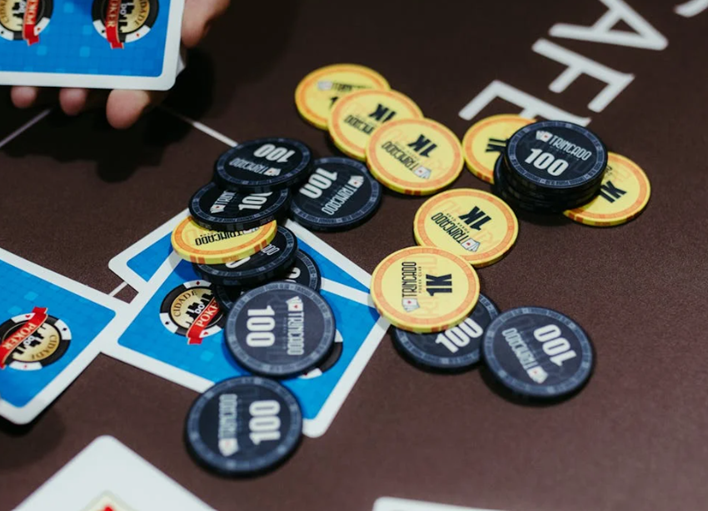
Not so long ago, poker belonged almost entirely to casinos. If you wanted to play properly, you had to travel, buy in at the cage, and sit across from real opponents under bright lights. For many players, that barrier alone kept the game out of reach. Today, that world feels distant. Online poker did not just change how people play. It changed who could play at all.
The takeover did not happen overnight, but once it began, it was impossible to stop.
When Poker First Moved Online
Online poker began quietly in the late 1990s. Early sites were basic, connections could be unreliable, and plenty of players doubted whether the games could be trusted. Even so, the appeal was obvious. Playing from home removed the cost, time, and intimidation that came with live poker rooms.
As internet speeds improved, so did confidence in online platforms. Secure payments, better software, and clearer rules helped convince players that online poker was not just convenient but legitimate. What started as a novelty slowly became a serious alternative.
The Boom That Changed Perceptions
The early 2000s transformed poker’s image. Television coverage made the game easier to understand, especially once viewers could see players’ hole cards. Poker stopped looking mysterious and started to feel accessible.
When an unknown player qualified online and went on to win a major live tournament, it sent a clear message. You no longer needed years in a casino to compete. Online poker rooms filled quickly as new players signed up, hoping to learn and improve without stepping into a live card room.
Why Online Poker Suited Everyday Players
Online poker thrived because it fitted around real life. Live poker requires planning and commitment. Online poker allows players to log in, play a short session, and log out again without pressure.
While, free online poker has also played an important role in the industry’s growth. Platforms offering play-money games allow newcomers to learn the rules, understand hand values, and build confidence without risking real money. This low-pressure environment makes poker far more approachable, particularly for players who might find live games intimidating. Free poker also keeps casual players engaged between real-money sessions, helping to maintain interest in the game over the long term. Sites such as Replay Poker provide a social, skill-based online poker experience that mirrors real poker, acting as a gateway for future players and supporting the wider poker ecosystem.
Lower stakes made the game less intimidating, while faster dealing meant players could gain experience quickly. Many people learned poker online simply because it was the easiest way to do so. Over time, that convenience became one of the biggest reasons online poker grew faster than live play ever could.
How Technology Changed the Game
Online poker did not just copy live poker. It added tools that reshaped how the game was played. Multi-tabling allowed players to play more hands in less time. Hand histories and tracking software helped players understand their mistakes and improve.
This shift made poker more analytical. Players began studying ranges, tendencies, and long-term results in a way that live poker rarely allowed. As a result, the overall standard of play increased, especially among regular online players.
Variety and Constant Action
In a casino, game selection depends on what is available that day. Online poker removed that limitation. Players could switch between formats instantly, whether they preferred cash games, tournaments, or fast-fold tables.
Texas Holdem remained the most popular, but Omaha, sit and go tournaments, and new speed-based formats all found an audience. With games running around the clock, players no longer had to wait for action.
A Global Poker Community
One of the biggest changes online poker brought was scale. Players from different countries could compete in the same games, creating larger player pools and tougher competition. A player in one country could face opponents from several others within minutes.
This global environment pushed strategy forward. Exposure to different playing styles forced players to adapt, learn faster, and improve. Online poker became a shared international space rather than a collection of isolated card rooms.
Regulation and the Rise of Online Professionals
As online poker grew, regulation followed. Licensing and consumer protection helped stabilise the industry and build trust. While laws differ between regions, the move toward regulation helped online poker mature.
At the same time, many of today’s strongest players developed online. Some never played live poker at all until they were already successful. Training sites, coaching, and streaming all grew out of online poker culture, reinforcing its influence on the wider game.
Why Online Poker Now Leads the Industry
Live poker still has its place. The atmosphere, social element, and prestige of major tournaments continue to attract players. However, the centre of the industry has shifted.
Online poker now drives participation, learning, and innovation. It is where most players start, where many improve, and where the game continues to evolve. By making poker more accessible and more global, online platforms did not just support the industry. They reshaped it entirely.