 Belgium
  Canada
  China
China  Germany
  Denmark
  Spain
Spain  France
  United Kingdom
  Croatia
  Ireland
  Italy
Italy  Japan
Japan  Korea
Korea  Netherlands
  Poland
  Romania
  Serbia
  Russian Federation
  Sweden
  Thailand
  United States
  Vietnam
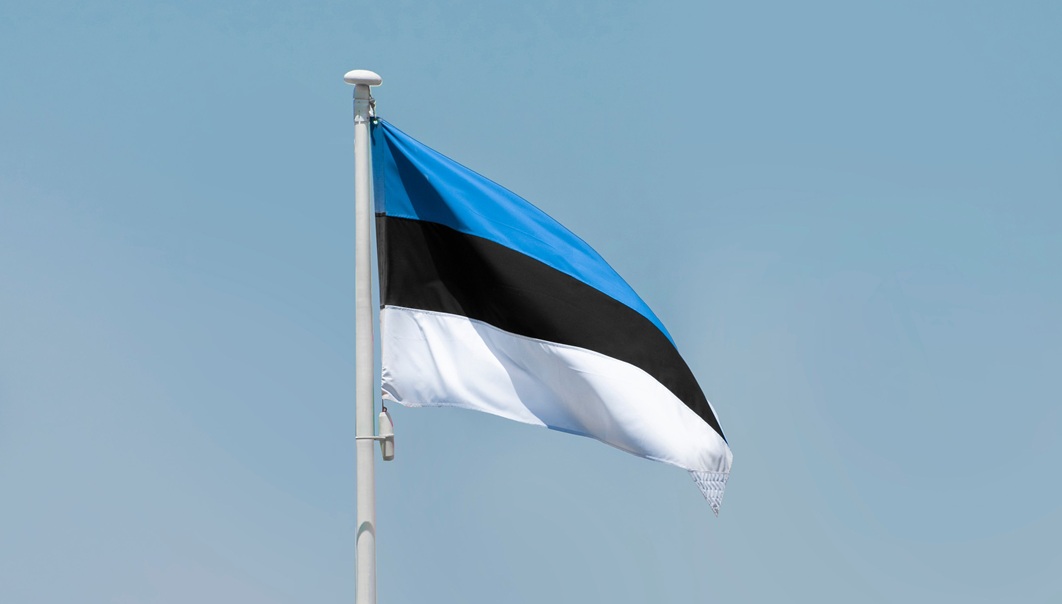

Estonia is one of the most interesting small-market iGaming stories in Europe. Its population of approximately 1.37 million is too small to compare with those of the UK, Germany, or Sweden, but its regulated online gambling market has attracted international attention. For poker enthusiasts in the surrounding Nordic markets, Estonia offers licensing certainty, technological convenience, competitive poker operators, and a reputation for safe online poker.
For example, Viron Nettikasinot is increasingly referenced when discussing Estonia’s regulated casino market, especially among Finnish and Nordic players looking for licensed, accessible, and digitally mature Estonian casinos.
Estonia's Regulation Brings Credibility to the Market
Regulation is the backbone of poker's development in Estonia. The Estonian Tax and Customs Board (EMTA) regulates online gambling in Estonia. In order to play for real money, operators must be approved to offer gambling and the regulated market also features online casino games, poker, bingo and betting.
That's important because Nordic players are accustomed to highly regulated gambling markets. However, four countries (Sweden, Denmark, Finland and Norway) boast strong regulatory cultures, albeit with varying models. Gamblers in these areas appreciate licensing, ID verification, responsible gaming features, and transparent operations.
For instance, Estonia's EMTA licensing scheme provides operators with a credibility layer that unlicensed offshore operators can't replicate. In poker, regulation is a big competitive edge as integrity on deposits, withdrawals, game and player protection is crucial.
A Small Country With a Noticeable iGaming Footprint
Estonia's small size is reflected in its market, though the internet gambling industry there is more active than it may seem. According to the latest industry press release, there are approximately 40+ gambling operators operating in Estonia, both online and offline. Other snapshots of the market have indicated that over 30 online gambling licenses have been granted for casinos, sports betting, and related verticals.
Those numbers are significant, as it is clear that Estonia is not just a token market with a handful of legal choices. It is competitively licensed. Competition increases the quality of products, payment methods, customer service, games, and promotional standards.
This can provide a more favorable poker playing environment for poker players. Competitive market forces incentivize the platforms to enhance their tournaments, cash games, mobile experience, loyalty programs, and user experience. When poker is just a portion of a comprehensive casino, it benefits from the comparable investment in platform quality.
Why Nordic Players Are Paying Attention
Nordic players are appealing to operators for their high digital adoption, solid online payment culture and long history of poker interest. Especially, Finland has cultural and geographic connections with Estonia. Moreover, Tallinn is geographically near Helsinki, and travel between the two has fostered business, leisure, and digital relationships.
Furthermore, this makes Estonia a logical target for casino and poker players who speak Finnish. For players on the hunt for regulated markets, Estonia might be close enough to home to feel comfortable with yet close enough to the edge to provide diversity.
The market in Europe also supports this transition. Gambling money online has continued to increase all over Europe and online gambling now accounts for a higher proportion of the overall gambling economy. It's not just about increased online gambling penetration. It's about players making better-informed choices about where to play, which licenses they can trust, and which platforms provide a smoother digital experience.
Poker Benefits From Estonia’s Digital Culture
The iGaming market is bolstered by Estonia's reputation as a digital society. The country is recognized for e-government, digital identity, online services, and a pro-business environment with technology-based companies.
While a player might not choose to play on a site because of the national digital policy itself, the broader situation will still have an impact. A tech-friendly marketplace will facilitate onboarding, quicker verification, easier payments, more robust data systems and better mobile access.
These are real-life things. When it comes to poker platforms, one of the most critical factors for players is a seamless registration process, secure money transfers, hassle-free game entry, and a clear understanding of the rules and procedures. Estonia's reputation for being digital helps to cement that trust.
Tax and Licensing Are Part of the Story
Estonia has also been a hot topic due to its gambling tax and licensing system. Overall, the country has been seen as a relatively efficient EU licensing system, making it an attractive option for operators seeking a European licensing regime but avoiding the financial burden of some larger markets.
Legal participation can be facilitated by a more operator-friendly structure. If a license is feasible and the tax regime is manageable, more companies will be willing to enter the regulated market rather than serve players outside it. That translates to more choice for players in a regulated environment.
Additionally, this is significant for poker, since the liquidity, trust and product variation all rely on active legal operators. If credible companies are attracted to the market, they can make it more attractive over time.
Estonia’s Poker Boom Is Built on Trust and Access
But it's not size that makes Estonia a poker hub. Its growth is due to its position between regulation, digital infrastructure, Nordic proximity and competitive online gambling offer.
As for Nordic players, EMTA-licensed casinos provide a mix that's becoming increasingly relevant: a legal framework, up-to-the-minute gambling products, comparable access in their region, and enough competition to drive products to improve. A European market where players are more knowledgeable about licensing and safety, that mix is important.
Ultimately, the end product is a hype-less poker boom, focused on structure. Estonia has an advantage in that it's a regulated market, one that is digital and accessible at the edge of the Nordic region. That's a compelling attraction for poker players seeking dependence and trust.